The Structural Clock: Elif Güvençer on What Communications Must Become in the Age of AI
What is the communications function now for, and will communicators rebuild it before the answer is decided for them?
AI's leading voices are losing the communications war because they are fighting a publicity war instead. They are spending on the message and neglecting the fundamentals.
Ask a room of communications professionals what stops them getting value from AI and you tend to hear the same one or two answers: it makes things up, or the lawyers will not allow it. Both are real. Neither is the whole picture.
A little over a year ago, I began the Applied / Comms With AI newsletter began with a simple promise: to experiment, fail, learn, and share everything along the way. Twelve months, two dozen-plus experiments, tool tests and practitioner interviews later – as well as a couple of recent awards wins
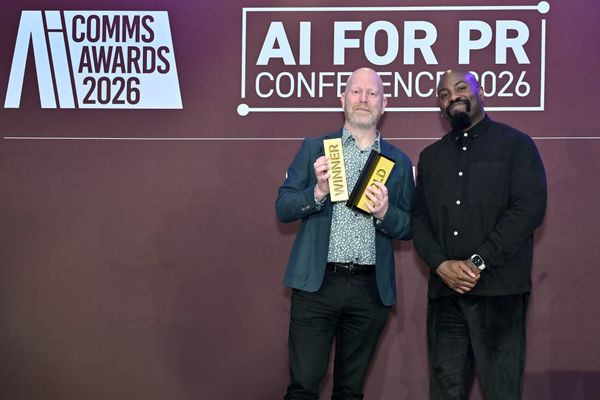
Three months ago I documented building Comms With AI with Claude Code. On 18 June it won Gold at the inaugural AI Comms Awards, and I was named AI Communications Leader of the Year.
Most AI initiatives in communications do not fail because the tools fail. They fade because nobody owned the change. This final article in the series is about the difference between a clever pilot and a capability that lasts.
Most monitoring tells comms teams what happened after the moment to act has passed. The Monitor phase asks a sharper question: how quickly can your team detect, interpret and respond to what is happening now?
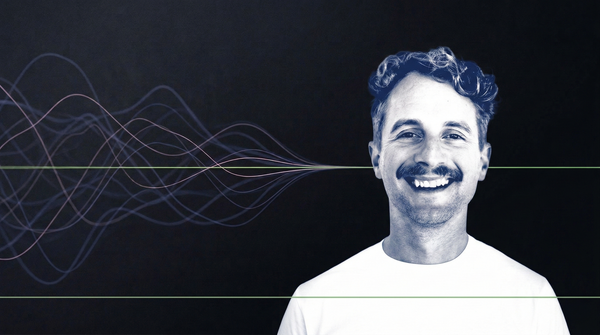
Ben Verinder has researched AI in public relations for eight years. In this Applied Comms AI Leader Interview, he explains why the policy gap everyone talks about sits on top of a deeper one: an honesty gap between teams, agencies and the people they serve.
Every efficiency gain in the Create phase lands as a workload increase in Govern. More content, produced faster, still has to be checked, approved, and stood behind. This article is about the phase where AI created the problem before it offers any of the solution.
Most AI adoption in communications starts with content creation. The real test is not whether agents can produce more, faster. It is whether agent-assisted work still meets the standard senior communicators would trust in public.
Most AI conversations in communications start with the draft. That framing misses where quality is actually set – in the research, positioning, stakeholder mapping, and message architecture that happens before a single sentence gets written.
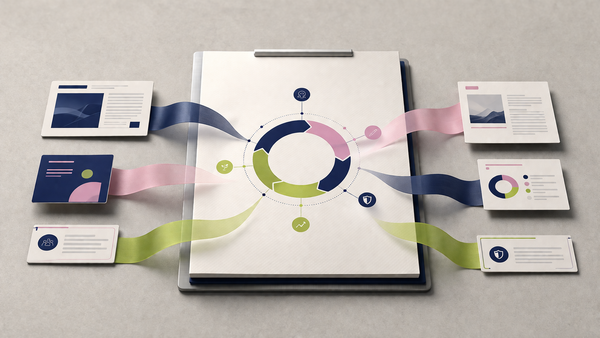
Most teams use AI tactically. A tool here, a prompt there. The real shift is at the workflow level – and it needs a framework. This article introduces the Comms With AI Operating System: five phases that map how AI-powered communications work actually operates.
Leader Interviews
Rik Turner spent 15 years helping brands win at search. Then Google AI Overviews changed the rules. In this Applied Comms AI interview, he explains why PR teams are now central to how brands are represented in AI-generated search results — and shares a practical framework for responding.
Experiments & Applied Learning
I needed a Comms with AI template library that didn't exist, so I built one. Here's the workflow – and where each AI tool hit its limits.
Leader Interviews
NOAN CEO Neal Mann explains the idea of a living fact layer, why hallucinations are structural rather than accidental, and what communications leaders need to rethink before AI can deliver real value.
Experiments & Applied Learning
Build an ICP “target reader” as an AI agent to stress-test headlines, CTAs and template copy in hours – and fix clarity, proof and governance gaps fast.
Experiments & Applied Learning
Seven iterations, one recursive workflow. The behind-the-scenes account of preparing and delivering a live AI demonstration for The Data Lab – and what the process actually taught me.
Experiments & Applied Learning
This Isn't About AI Writing Better. It's About AI Removing What Stopped You Writing At All.
Experiments & Applied Learning
How I built a brand skill from scratch and produced a full campaign toolkit – speaking proposal, presentation, content calendar, outreach emails – in a single session.
Experiments & Applied Learning
How agentic AI turned Google’s Gemini 3 Pro hackathon experiment into a functional and innovative strategy tool for under-resourced charities.
Area Deep Dives
It’s the year when communicators should loudly and proudly articulate that their value isn’t in producing content – it’s in making sense of the world.
Leader Interviews
AI expertise isn't about being technically gifted – it's about understanding systems and workflows.
Newsletter
"The key is preparation. Use AI now to understand its capabilities and limitations. Build your prompts library when you're calm. Test on low-stakes issues. Because when a real crisis hits, you don't want to be experimenting – you want proven tools and workflows ready to deploy." - Amanda Coleman
Newsletter
Flipside's Barney Evison and his digital agency team have spent the past few years turning AI wonder into practical applications – and learning some hard truths along the way.